Boston Emerges as a Hub for Physical AI
Boston, Massachusetts is emerging as a major hub for Physical AI—robots and autonomous systems that operate in the physical world. A unique ecosystem is forming as talent, customer companies, and investment capital simultaneously concentrate in the region, which is home to leading research institutions like MIT.
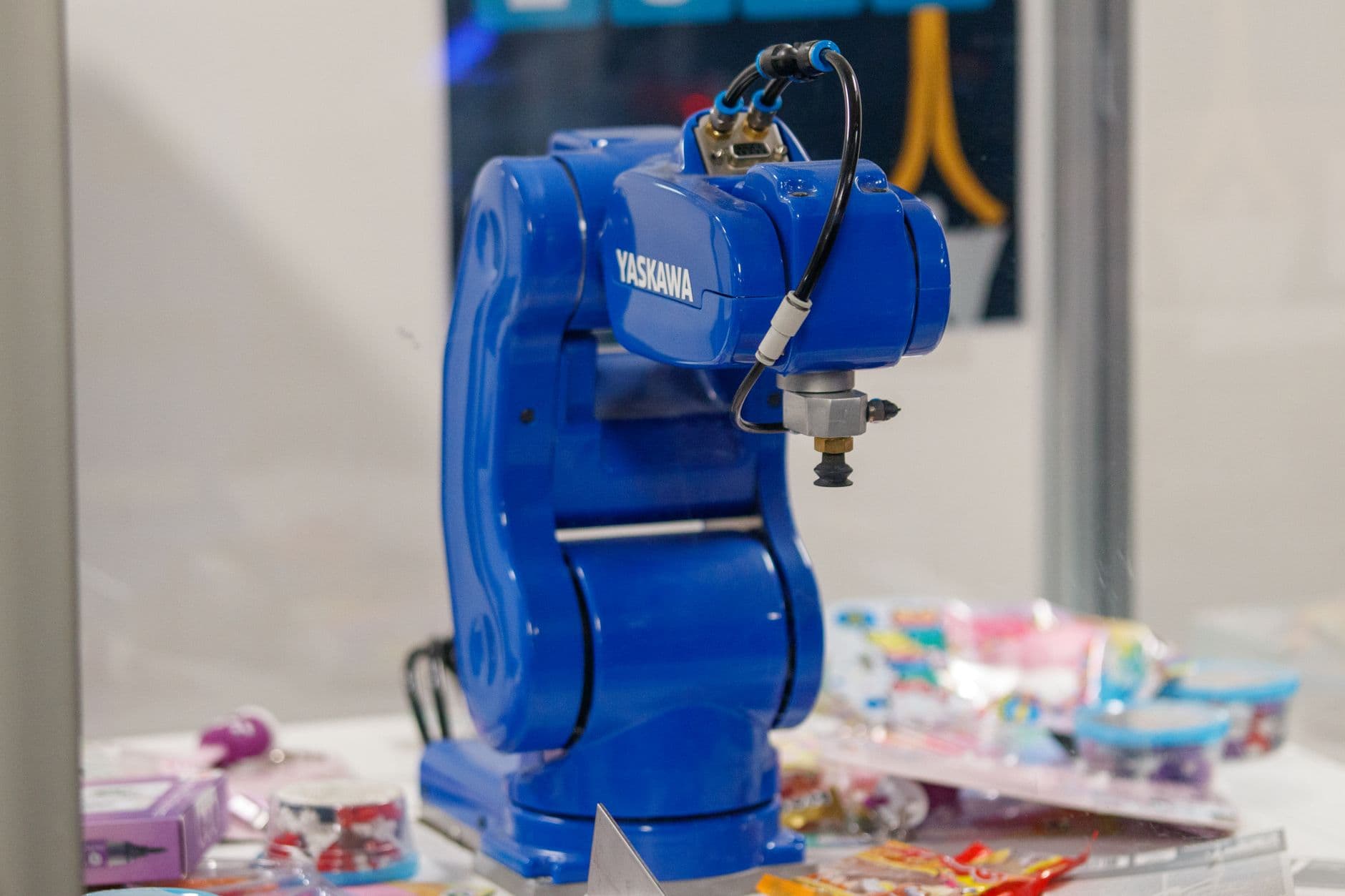
Boston, Massachusetts is gaining prominence as a major hub for robotics and AI that operates in the physical world—what is known as "Physical AI." Three elements—talent, customer companies, and investment capital—are concentrating simultaneously, forming an ecosystem distinct from Silicon Valley.
Boston's prominence in this field stems from the long history of world-class research institutions such as the Massachusetts Institute of Technology (MIT) and Harvard University pioneering robotics research. As technologies and startups born from these academic institutions have accumulated in the region, a fertile environment has developed that naturally attracts engineers with particular strength in hardware and control systems.
Beyond this talent base, the presence of customer companies in the Boston area seeking to actually implement robots and AI control systems in manufacturing, logistics, and healthcare is also significant. The geographic proximity of technology suppliers and buyers shortens the product development cycle and enables rapid incorporation of real-world feedback. Furthermore, venture capital and other investment funds, recognizing the value of this environment, continue to flow in, creating a structure where capital, talent, and demand mutually reinforce each other.
Physical AI refers to technology that enables robots and autonomous systems equipped with sensors and actuators (such as motors and other power components) to make judgments and act in the real world—distinct from language models and image generation AI that operate solely in software. Development requires not just software running in data centers, but also iterative testing with physical machines and rigorous safety validation. This means that the importance of a "regional cluster" where stakeholders can physically gather tends to be higher for Physical AI than for pure software AI.
Viewed across the United States, AI investment has long been concentrated on software-based model development. However, as demand grows for applying AI to real-world physical tasks—such as manufacturing automation, logistics robots, and medical support devices—where AI-hardware-integrated development hubs establish themselves is becoming a question that affects industrial competitiveness. Boston's trajectory represents one answer to this question.
The key point for future observation is whether this concentration remains at the startup stage or develops into a broader industrial cluster involving corporate R&D centers and manufacturing ecosystems. While some argue that talent competition and investment continuity are critical factors, Boston's strength in collaboration with academic institutions should remain effective. As the Physical AI field itself is still taking shape, how the region leverages its first-mover advantage will be the focus going forward.
This article is an original work independently written and edited by the AI issue editorial team based on factual reporting. © AI issue. Unauthorized reproduction, redistribution, or use for AI training is prohibited.