 MicrosoftJul 7, 2026 19:17 UTC
Microsoft Pushes Switch to In-House AI Models
Microsoft is gradually transitioning from OpenAI and Anthropic models to its proprietary 'MAI' model for AI used in its own products such as Excel and Outlook. Mustafa Suleyman, head of Microsoft's AI division, has stated his intention to ultimately reduce the cost of external models to zero, and tens of thousands of queries per week are already being processed through the MAI model. However, some observers suggest that Copilot users may experience degraded performance at the same price.
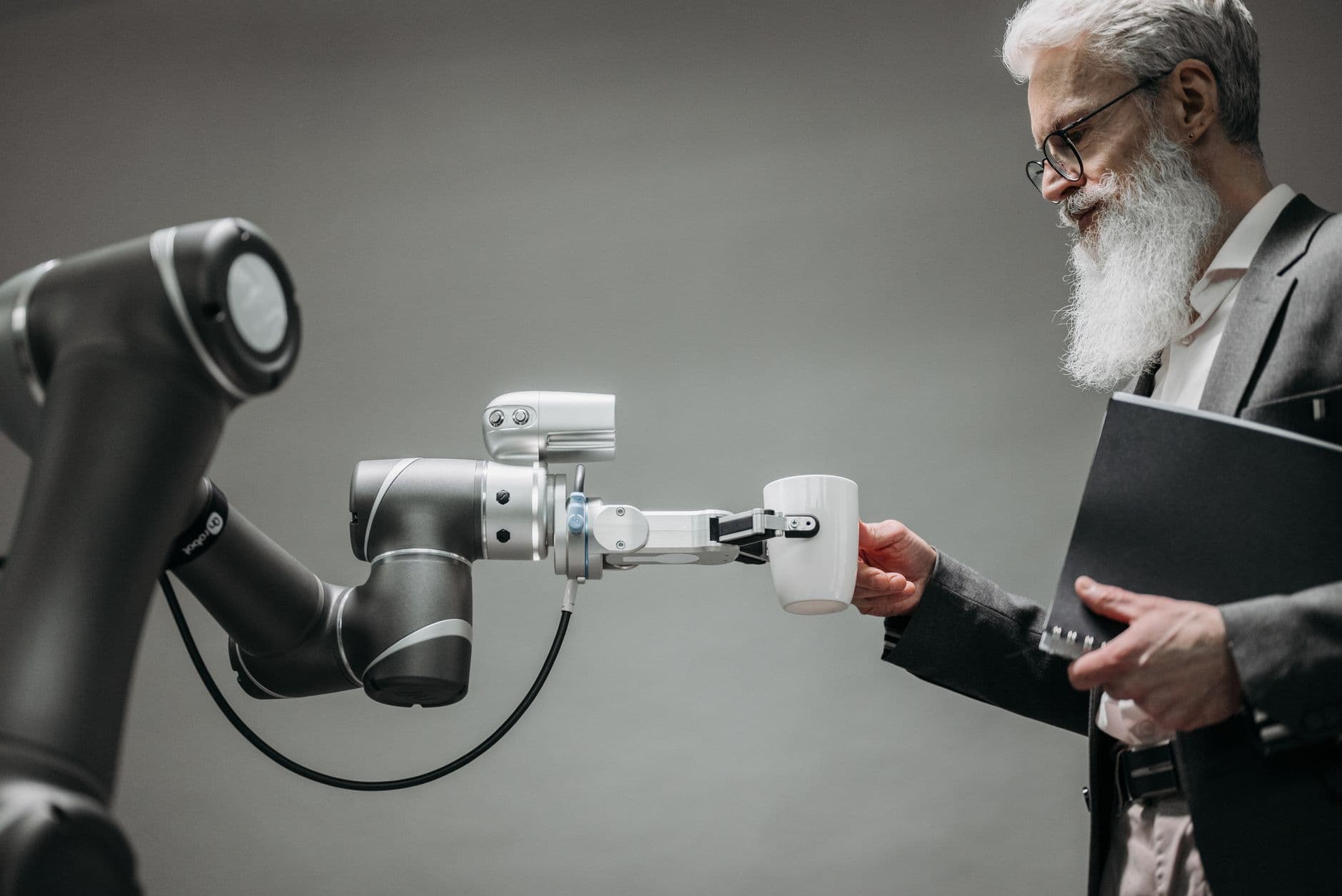
Microsoft is sequentially transitioning AI embedded in its own products such as Excel and Outlook from models provided by OpenAI and Anthropic to its proprietary 'MAI' model. Tens of thousands of queries per week are already being processed through the MAI model, and the transition is progressing gradually.
Leading this initiative is Mustafa Suleyman, head of Microsoft's AI division. He has stated his goal to ultimately reduce the cost of external models to zero, positioning the switch to in-house models as part of this cost reduction strategy. As generative AI spreads rapidly, the infrastructure costs associated with large-scale query processing have become a common challenge for all companies, and Microsoft is no exception.
Until now, Microsoft has deployed Copilot (a general term for AI assistant functionality) centered on a deep partnership with OpenAI. The company secured access to cutting-edge models through substantial investment in OpenAI and integrated them into business applications such as Excel, Outlook, and Teams. However, this policy shift demonstrates an intention to reduce external dependency and take control of its cost structure in-house.
From a user perspective, there are important considerations regarding this transition. It has not yet been confirmed whether the MAI model possesses performance equivalent to cutting-edge models from OpenAI and Anthropic. Reports suggest that Copilot users may experience degraded performance at the same price, and there are concerns that cost reductions could impact user experience.
Viewed as an industry-wide trend, the 'internalization' of AI models is not unique to Microsoft. Many major technology companies are aware of the costs and competitive risks associated with dependence on external models and are investing in the development and deployment of proprietary models. In this sense, Microsoft's current initiative exemplifies the shift toward a phase where the decision axis of 'in-house development versus external procurement' is being reconsidered from a cost perspective as enterprises scale up AI integration into their business operations.
Key points to watch going forward are how closely the MAI model's performance can approach external models and whether users actually perceive changes in service quality. Since Copilot has been widely deployed across enterprises, how performance changes affect business efficiency in real-world operations will be a significant concern for corporate users. Continued attention is needed on how Microsoft balances cost reduction with quality maintenance.
This article is an original work independently written and edited by the AI issue editorial team based on factual reporting. © AI issue. Unauthorized reproduction, redistribution, or use for AI training is prohibited.