Explaining UX Design Methods for Mobile AI Apps
Engineer Balakrishnan Ramdoss has presented design methods for running conversational mobile apps powered by LLMs in production environments. The presentation covers specific approaches to achieving both speed and usability, including overcoming model response latency, dynamic generation of multimodal screens through server-driven UI and BFF patterns, and leveraging on-device AI with privacy considerations.
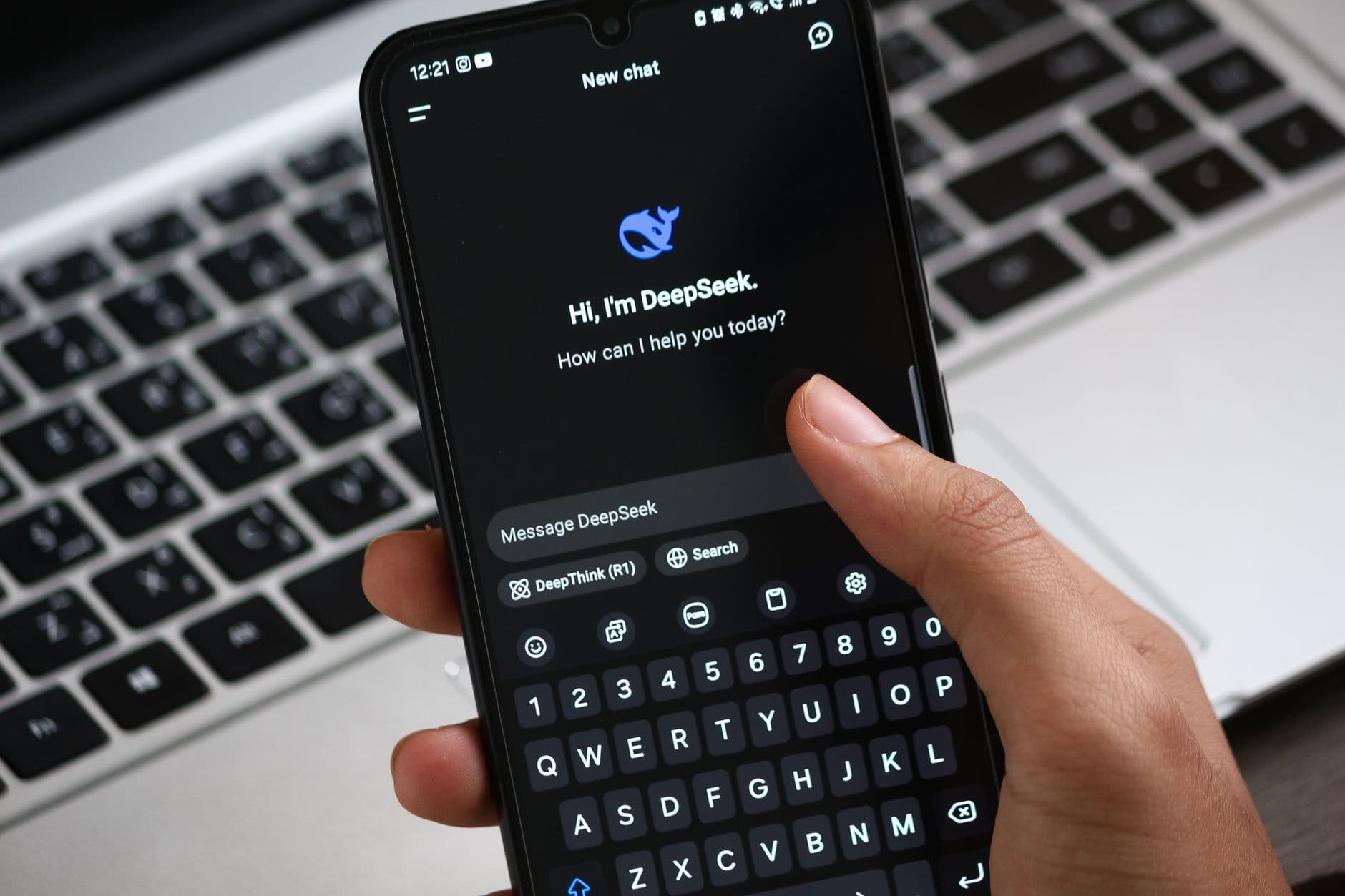
Engineer Balakrishnan Ramdoss has presented design methods for running conversational apps powered by LLMs (Large Language Models) on mobile devices in production environments. The theme is "achieving both speed and usability," focusing on how to build architectures that can withstand real-world operational scale.
The first obstacle faced when delivering conversational AI apps on mobile is model response latency. While large-scale models in the cloud offer high accuracy, retrieving results through networks takes time, making users perceive the experience as "heavy" and "slow." This challenge can become a fundamental bottleneck for mobile UX.
One solution presented by Ramdoss is a combination of server-driven UI (a design approach where the server dynamically generates UI structures and delivers them to clients) and BFF (Backend-for-Frontend: a pattern where optimized backends are prepared for each frontend). This configuration enables displaying multimodal screens combining text, images, and interactive elements, dynamically switching them in real-time according to user context. He also discussed prompt optimization techniques that AI uses when deciding which UI components to select and display, explaining key points for balancing accuracy and speed.
Additionally, another pillar is the use of "on-device AI," which runs AI directly on the device itself. By completing AI processing on the smartphone without going through the cloud, communication latency can be reduced to nearly zero. Furthermore, since conversation content and input data are not sent to servers, it offers advantages from a privacy protection perspective.
The increasing importance of such design philosophy reflects the rapid adoption of AI in mobile applications. As AI-powered features such as chatbots, voice assistants, and personalized information delivery become everyday touchpoints for users, "works but slow" becomes uncompetitive.
Ramdoss's approach goes beyond simply "embedding AI" and provides a perspective on redesigning entire systems starting from actual user experience. By combining flexible screen control through server-driven UI with latency reduction and privacy protection through on-device processing, one can simultaneously pursue both speed and safety.
Mobile AI app development is reaching a critical juncture where architectural choices significantly impact user satisfaction. Going forward, how to use and combine cloud processing with on-device processing will become one of the key decision factors in implementation.
This article is an original work independently written and edited by the AI issue editorial team based on factual reporting. © AI issue. Unauthorized reproduction, redistribution, or use for AI training is prohibited.