 MetaAug 30, 2026 01:25 UTC
Meta Announces MTIA 300, Its In-House AI Training Chip
Meta has unveiled MTIA 300, a proprietary AI accelerator designed specifically for training ranking and recommendation models. This marks the company's first internally-developed training chip and represents part of its strategy to reduce reliance on third-party GPUs from vendors like NVIDIA through in-house silicon development.
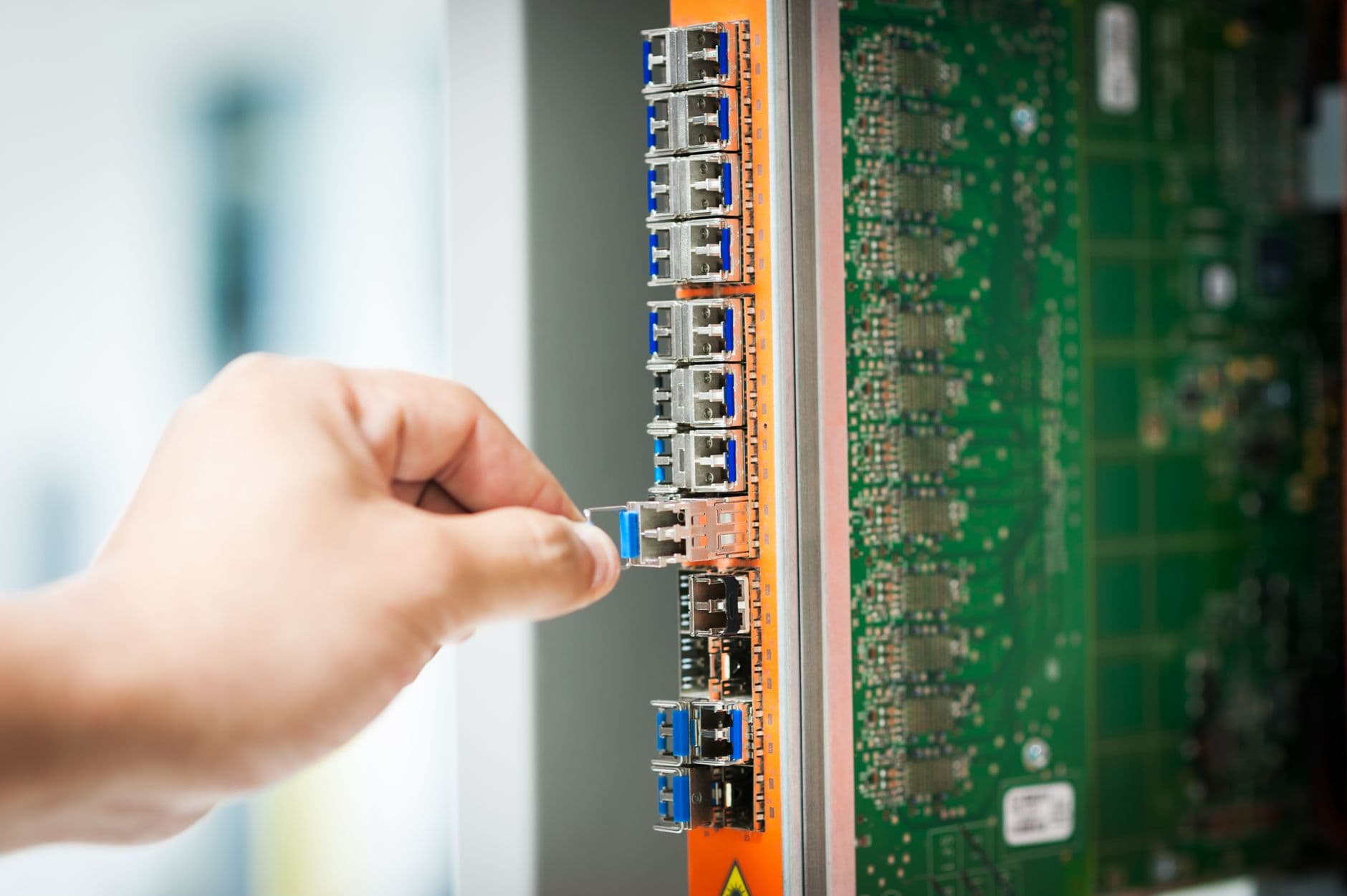
Meta has announced MTIA 300, an in-house developed AI accelerator chip designed specifically for processing. This chip is engineered for training ranking and recommendation models, making it the company's first internally manufactured training accelerator.
Historically, Meta has relied heavily on third-party GPUs from vendors like NVIDIA to power its AI systems. However, as a company operating large-scale social media platforms including Facebook and Instagram, Meta requires enormous computational resources daily to determine "recommended posts" and "ad display rankings" for its recommendation and ranking systems. Having chips optimized for the company's specific workloads has been considered strategically important for both performance and efficiency.
MTIA 300, as its name suggests, represents the continuation of Meta's proprietary silicon strategy for in-house chip design. While the company has already invested in developing chips for inference—the process of running trained models in production—this move marks a significant step forward by bringing custom silicon into the training phase as well, where models are initially built. Training ranking and recommendation models involves enormous computational demands, making specialized hardware design particularly critical in this domain.
This development aligns with a broader industry trend where major technology companies are accelerating in-house chip manufacturing amid rising AI development costs. Specialized chips designed for specific tasks tend to offer superior power efficiency and computational efficiency compared to general-purpose GPUs. For a company of Meta's scale, these marginal efficiency gains can accumulate into substantial cost savings.
Key areas of interest going forward include the actual deployment scale and performance of MTIA 300, as well as the extent to which it becomes integrated across the company's broader AI infrastructure. Additionally, given that Meta is reportedly expanding its chip development from computing into network domains, attention will focus on whether the scope of silicon in-house development continues to expand further.
This article is an original work independently written and edited by the AI issue editorial team based on factual reporting. © AI issue. Unauthorized reproduction, redistribution, or use for AI training is prohibited.