 GoogleNov 10, 2026 03:19 UTC
Google Unveils Gemini 4 Argon, an AI Model for Robot Control
Google has unveiled Gemini 4 Argon, an AI model designed primarily for robot control. The model functions as a general-purpose physical reasoning system featuring four key capabilities: robot motion control, real-world-to-simulation scene reconstruction (Real2Sim), multimodal labeling of robot video footage, and iterative policy improvement for robot behavior.
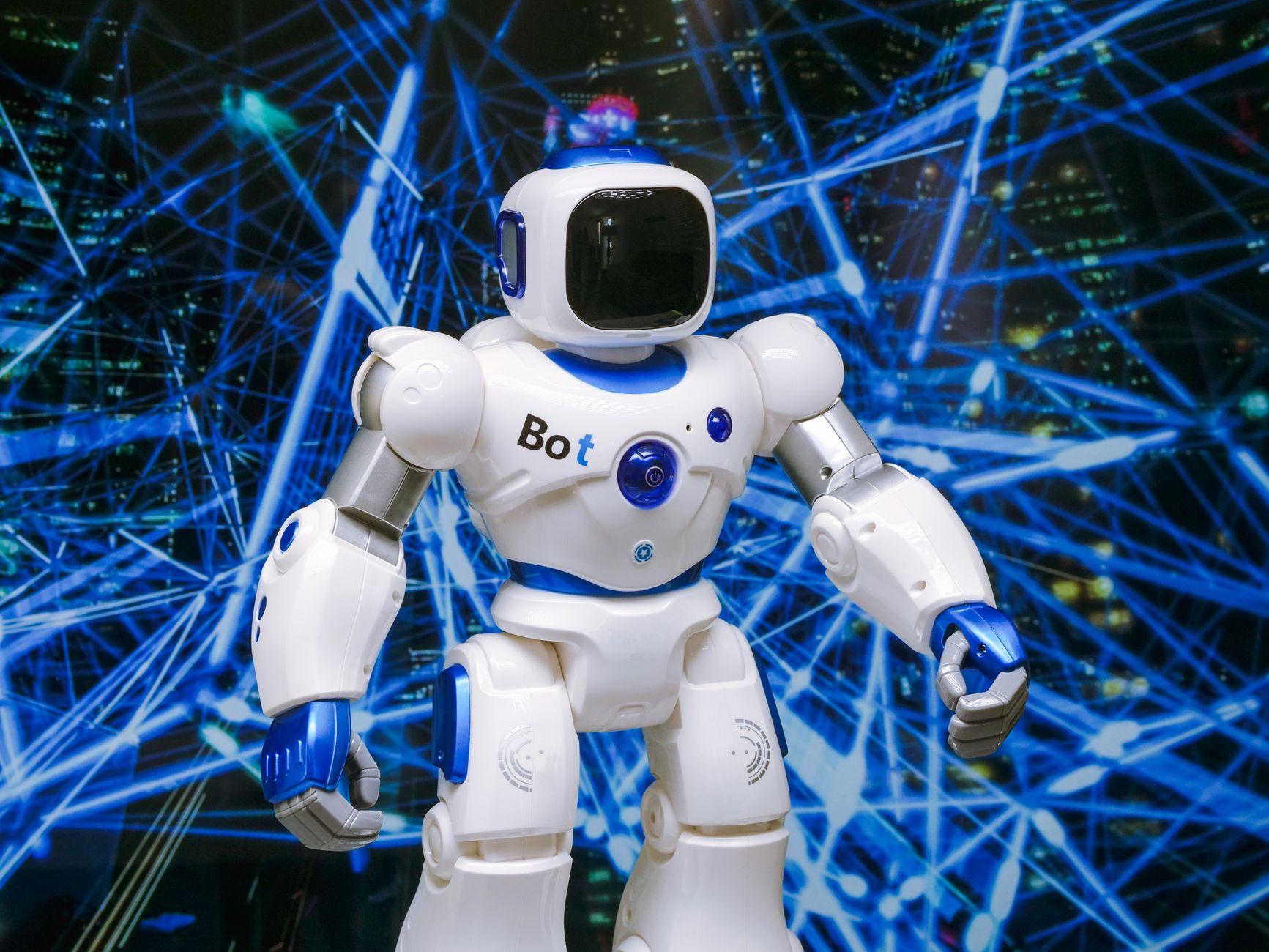
Google has unveiled Gemini 4 Argon, an AI model designed primarily for robot control. The model is positioned as a general-purpose system for reasoning about the physical world, engineered to handle multiple roles ranging from robot motion control to video data analysis.
Traditionally, AI development for robotics has been dominated by end-effector policies—specialized rules that control specific actions like robot gripper movements. While such task-specific designs excel at precision, they suffer from limited applicability. Gemini 4 Argon breaks from this conventional approach by serving as a general-purpose physical reasoning model capable of addressing a broader range of tasks.
Google has identified four specific use cases for the model. First is direct robot motion control. Second is Real2Sim scene reconstruction, which captures real-world environments and recreates them in simulation spaces. Third is multimodal labeling, where multiple forms of information (text, images, etc.) are combined to annotate robot video footage. Fourth is iterative policy improvement, enabling continuous refinement of robot behavior strategies.
This design—consolidating all four functions into a single model—represents an attempt to integrate the entire robot development pipeline through AI. Real2Sim, for example, involves importing real-world data into a simulator to generate large volumes of training data without relying on physical hardware. By delegating this responsibility to a general-purpose model, there is potential to reduce both the cost and effort required in robot development.
In recent years, the robotics field has witnessed growing efforts to apply techniques developed in large language models (LLMs) and image recognition to robot control. As interest surges in embodied intelligence—the capacity to understand the physical world and generate contextually appropriate actions—Google's introduction of this general-purpose physical reasoning model at this moment reflects broader industry momentum.
The adoption of a unified model architecture spanning training, evaluation, and control phases could fundamentally reshape how robot development processes are conducted. Going forward, evaluation will likely focus on real-world robot performance and ease of integration with other platforms. Continued attention will be paid to how Google deploys this model for both industrial and research applications.
This article is an original work independently written and edited by the AI issue editorial team based on factual reporting. © AI issue. Unauthorized reproduction, redistribution, or use for AI training is prohibited.