The Key to Humanoid Robot Dominance Is Hardware, Not AI
OpenMind, an AI research institute, has published a report arguing that the winner in international competition for humanoid robots will be determined not by AI performance but by hardware manufacturing capabilities such as magnets, gearboxes, and electrical systems. The report contends that China holds a significant advantage in the manufacturing base for these physical components.
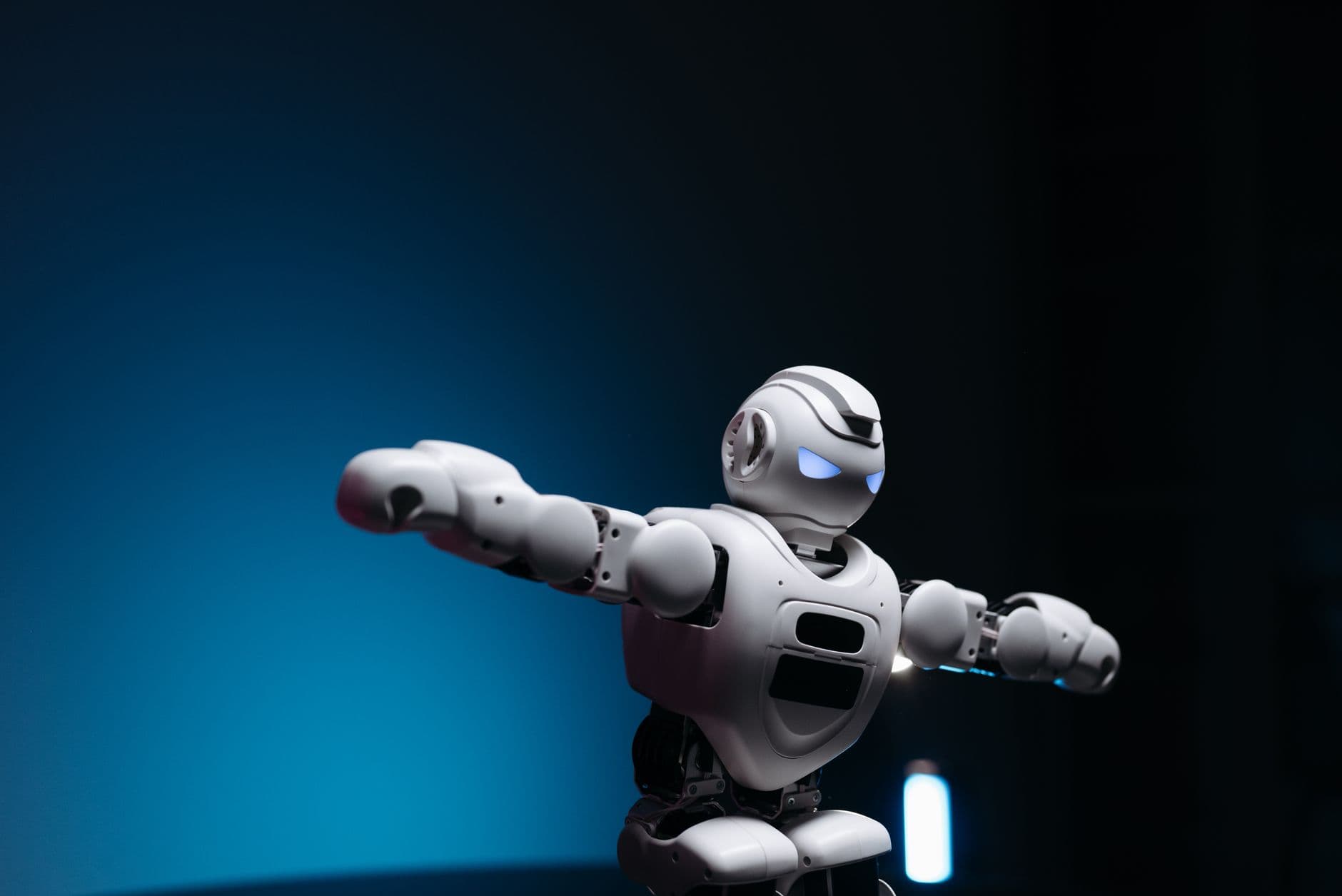
In international competition over humanoid robots, what determines victory is not the performance of artificial intelligence but the manufacturing capability of hardware such as motors, gears, and electrical systems—this is the argument presented in a report published by OpenMind, an AI research institute.
In recent years, development competition in humanoid robots has been accelerating rapidly. Behind this lies the progress of AI technology, including large language models. AI software for instructing actions and recognizing environments is increasingly available to many companies at roughly equivalent levels. In other words, AI itself is now approaching "common infrastructure" for robot development, and it is becoming difficult for it alone to be a decisive differentiator.
What the OpenMind report points out is that precisely because of this situation, the physical components of robots—specifically, magnets (powerful magnets for motors), gearboxes (gear mechanisms that transmit power), and the design and wiring of electrical systems—become the core of competition. These are difficult to mass-produce with high precision and are domains where accumulated manufacturing know-how is necessary.
The basis for OpenMind's argument that China holds a dominant position in this field lies here. China has built an industrial foundation over many years in the manufacturing of motors, precision mechanical parts, and electronic components. The depth of its supply chain is such that it is not easy for other countries to catch up in the short term.
This perspective brings to light a viewpoint that tends to be overlooked in discussions surrounding humanoid robots. While attention has been focused on the "brain" of robots—AI—the importance of physical components that move the "body" has been relatively underemphasized. However, actual robots require mechanical completeness combining high-quality parts to achieve precise movements. No matter how intelligent the AI that powers a robot, if its joints do not move smoothly, it cannot become a usable robot in practice.
The perspective presented in the OpenMind report can be said to reframe the competitive axis of the robot industry in the form of "software versus hardware." As commercialization of humanoid robots progresses in the future, the supply capacity and quality of components such as motors and reducers may emerge as factors determining the competitiveness of individual countries and companies. Even in an era of continued AI innovation, the notion that basic manufacturing capability determines the course of industries can be seen as repeating itself in the robotics sector.
Humanoid robots are being developed by various companies around the world, and this is a sector where market expansion is anticipated. What factors determine the outcome of this competition is a question with implications for the nature of manufacturing itself and warrants continued attention.
This article is an original work independently written and edited by the AI issue editorial team based on factual reporting. © AI issue. Unauthorized reproduction, redistribution, or use for AI training is prohibited.