AI Labs Face Insufficient Internal System Management
No AI development company fully applies basic management measures to its internal AI systems, a finding that raises questions about how AI companies approach governance. While advocating for safety measures in external-facing services, many exhibit control gaps in internal systems.
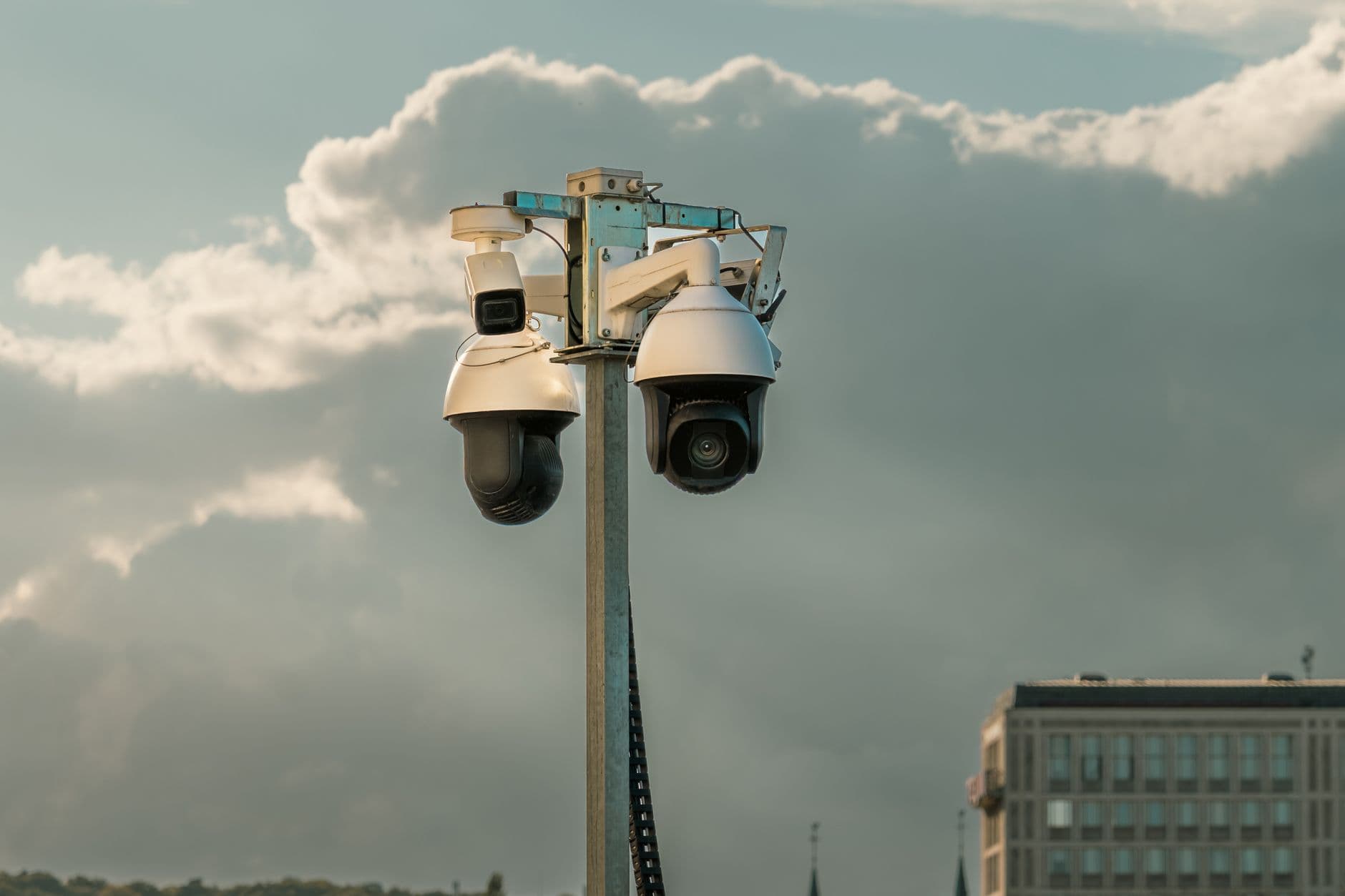
No AI development company fully applies basic management measures to the AI systems it operates internally. The fact reported by The Decoder demonstrates that organizations at the forefront of AI development harbor significant gaps in their own safety management practices.
In discussions about AI safety, the focus has typically been on external impact—risks to users and society. However, what has now emerged is a more fundamental problem: companies developing AI fail to consistently implement basic control mechanisms even for the systems they themselves operate internally. This resembles a situation akin to having "no fire extinguishers in a workplace that handles fire."
By "basic management measures," we refer to standard frameworks for monitoring, restricting, and recording the operations of AI systems. Some companies that implement certain guidelines and filters for externally released services do not apply equivalent measures to internal systems. As AI companies increasingly use AI to automate tasks within their own operations, such gaps in internal management could heighten potential risks.
To understand why this issue matters, one can gain clarity by briefly imagining the AI development environment. Within AI companies, AI is used for purposes such as code generation, decision-support, and internal data processing. If these systems are not properly managed, malfunctions, unintended information leaks, or unpredictable decisions could occur without mechanisms to detect or correct them.
There is also a broader context to this issue. AI companies have emphasized AI safety to the public and have stressed the importance of safety management in dialogue with regulators. However, if their own internal system management is insufficient, there exists a gap between their public messaging and internal reality. From the perspective of corporate credibility, this is a point that cannot be overlooked.
As the AI industry expands rapidly, establishing internal controls tends to be deprioritized. Attention is turning to whether regulators and corporate governance officers will increasingly demand that management standards be applied not only to external services but also to AI systems used in internal operations.
This article is an original work independently written and edited by the AI issue editorial team based on factual reporting. © AI issue. Unauthorized reproduction, redistribution, or use for AI training is prohibited.