AI's Environmental Impact, Moving Toward Sustainable Design
The IT sector accounts for approximately 2-4% of global greenhouse gas emissions, and Microsoft and Google have acknowledged increases in power consumption due to AI in their respective reports. Ben Linders, a software development expert, recommends measures such as leveraging existing small-scale models, executing computational processing in low-carbon power regions, and conducting training with renewable energy to reduce AI's environmental burden.
The IT sector as a whole accounts for approximately 2-4% of global greenhouse gas emissions, with AI adoption drawing particular attention as a driver of increased power consumption. Microsoft and Google have each acknowledged in their reports that their power usage is increasing due to AI-related processing, and the issue is no longer a "future concern" but an immediate reality.
Behind this trend lies the structural reality that training large-scale AI models and inference—the process by which AI derives answers—require enormous computational resources. The electricity consumed in data centers translates directly to carbon dioxide emissions unless the power source is renewable energy. As AI adoption continues to expand, the increase in power consumption represents an unavoidable trade-off that the entire industry must confront.
In response to this challenge, Ben Linders, a software development expert, argues that environmental impact should be built in as a top priority from the design phase of AI systems. Specifically, he recommends utilizing existing models rather than developing new ones from scratch, selecting smaller models suited to the task at hand, executing AI computational processing in regions with abundant low-carbon power, and conducting model training itself using renewable energy.
The proposals to "leverage existing models" and "select smaller models" align with cost reduction objectives, making them relatively easy initiatives for companies to adopt. Large-scale models offer high performance but consume enormous amounts of electricity in both training and operation. Selecting a model of appropriate scale matched to task requirements represents the first step in reducing wasteful computational resource consumption.
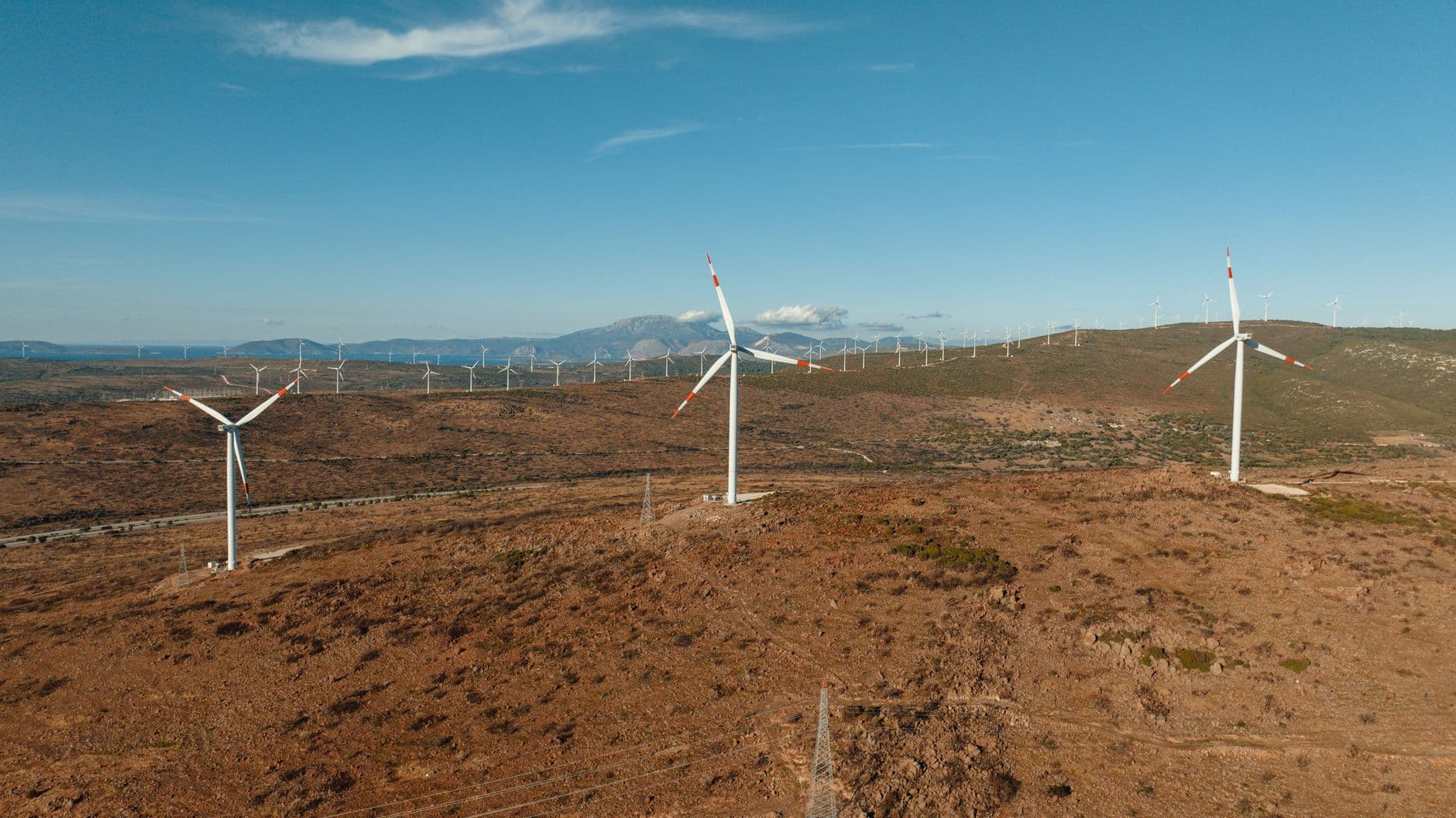
The proposal for "computational execution in regions with abundant low-carbon power" is based on the understanding that geographic choices in cloud infrastructure directly impact environmental burden. Placing data centers in regions with stable renewable energy supply—such as wind or hydropower—or prioritizing cloud regions in such areas offers the possibility of significantly reducing emissions for the same computational workload. This represents a measure achievable with current technology, with room for intentional choices at the design and procurement stages.
Treating AI sustainability not as a "retrofit" to system design but as a requirement to consider from the outset—this approach could become an important perspective in future AI development. The power consumption issue cannot be solved on the infrastructure side alone; awareness is growing that software development decisions, including model selection and processing design, directly impact emissions. Going forward, whether movements to add energy efficiency and carbon emissions to design criteria alongside performance metrics for AI systems gain traction could serve as a key indicator of the industry's sustainability trajectory.
This article is an original work independently written and edited by the AI issue editorial team based on factual reporting. © AI issue. Unauthorized reproduction, redistribution, or use for AI training is prohibited.