Big Tech Companies Court Democrats While Facing Pressure from States and Markets
Major U.S. technology companies, known as Big Tech, are maintaining their cooperative stance with the White House while simultaneously working to improve relations with the Democratic Party. However, whether this 'image makeover' brings substantive change will depend on pressure from state governments, local communities, and financial markets rather than from the federal government alone.
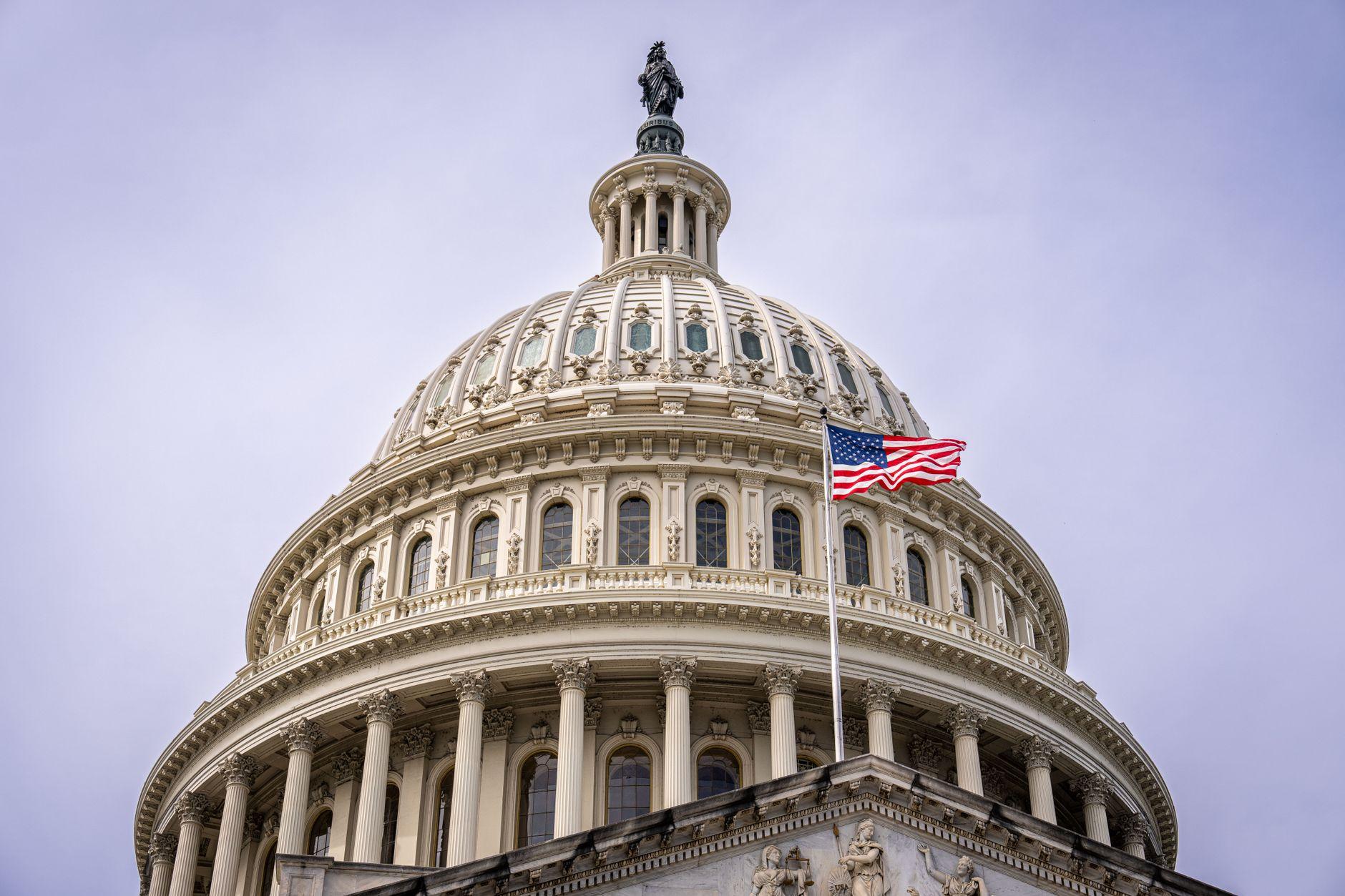
Major U.S. technology companies, known as Big Tech, are being forced to recalibrate their political positioning after years of strategic efforts. These companies, which have built favorable relationships with the federal government while narrowing their distance from the Trump administration, are now beginning to improve relations with the Democratic Party. However, the ability to assess whether this stance is genuine comes not from the federal level but from other venues: state governments, local communities, and financial markets.
The backdrop for this shift lies in Big Tech's relationship with the federal government over the past two years. By deepening their cooperative stance with the White House, technology companies have come to be perceived as occupying a 'preferred seat' in policy-making. While enjoying these benefits, they have simultaneously experienced a narrowing of public trust and political support—a notable side effect of their federal strategy.
What the original reporting reveals is that Big Tech is currently attempting an 'image makeover.' The two-directional movement of maintaining a honeymoon relationship with the White House while simultaneously building friendly ties with the Democratic Party can be characterized as a political insurance strategy. However, whether this relationship-building remains superficial or involves substantive policy shifts cannot be determined at this time.
The influence over Big Tech's actions is not limited to Congress. At the state level, independent AI regulations and consumer protection legislation are advancing rapidly. Local communities are increasingly engaging with technology companies through issues such as data center construction and employment impacts. Moreover, financial markets have begun to cast a more critical eye on corporate governance and social responsibility.
This multifaceted pressure presents a novel difficulty for technology companies. Problems that cannot be resolved by federal government relations alone are accumulating. Whether Big Tech's efforts to secure bipartisan support will prove effective requires careful observation of how state regulations develop and how market assessments evolve.
The increasingly complex political positioning of Big Tech stems from the rapid proliferation of AI technology. As generative AI and other technologies gain prominence as social infrastructure, scrutiny of the companies operating them intensifies. The relationship with policy becomes an enduring critical observation point insofar as it directly affects corporate business environments.
Ultimately, what Big Tech faces is not a binary choice of 'which side to support' but a multilayered challenge of how to simultaneously respond to multiple constituencies: federal, state, local, and market actors. The key areas to watch going forward are the trajectory of AI-related legislation across states and the specific measures technology companies adopt in response.
This article is an original work independently written and edited by the AI issue editorial team based on factual reporting. © AI issue. Unauthorized reproduction, redistribution, or use for AI training is prohibited.