 MetaJul 2, 2026 05:22 UTC
Meta to Sell Surplus AI Computing Capacity Externally
Meta is advancing the construction of a cloud business to sell surplus artificial intelligence computing resources to external companies. The company plans to invest up to $145 billion in AI this year alone, and aims to leverage this massive infrastructure not only for internal use but also through external sales.
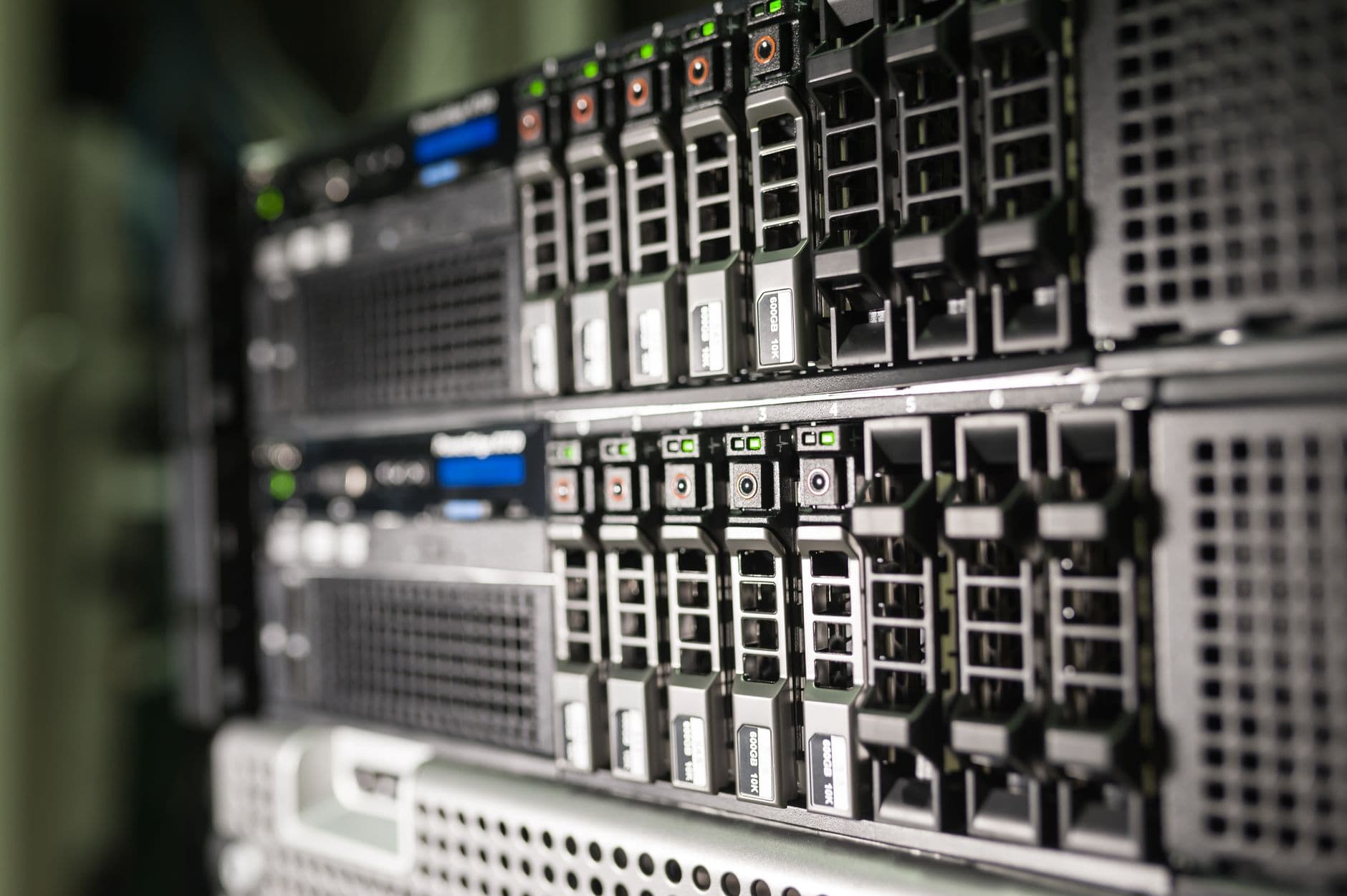
Meta is advancing the construction of a cloud business to sell surplus artificial intelligence computing resources that it cannot fully utilize internally to external companies. Until now, Meta has built AI infrastructure for its own services such as Facebook and Instagram, but this represents a move into a new business area involving sales to external customers.
Behind this is the massive scale of Meta's AI investment plan of up to $145 billion this year alone. With such a large investment, there is likely to be computing resources that cannot be fully consumed by internal services alone. Rather than leaving surplus resources idle, the idea of selling them externally and monetizing them is a natural choice from an operational efficiency perspective.
This strategy shares similarities with how aerospace company SpaceX expanded its business by leveraging surplus rocket capacity for satellite launches by other companies. It is a model of recovering large infrastructure investments not only for internal use but also through external sales. Similar considerations have emerged at AI company xAI, and this has become a common question for large-scale AI investors.
If Meta enters the cloud business for external customers, it will create a competitive landscape with existing cloud giants like AWS (Amazon), Google Cloud, and Microsoft Azure. However, the specific details of how Meta will provide services, its pricing structure, and the scope of target customers remain unclear.
Some observers suggest that this move goes beyond simple business diversification. Meta has pursued an open strategy in the AI field, such as freely publishing its open-source AI model 'Llama' series. On the other hand, it can also be interpreted that cloud revenue is becoming a necessary pillar to secure funding for large-scale investments.
The key question going forward is whether Meta will truly enter the cloud business as a major player or whether it will limit itself to selling surplus capacity on a limited basis. How companies with large AI investments monetize their infrastructure could have implications for the entire industry structure, and Meta's specific developments are being closely watched.
This article is an original work independently written and edited by the AI issue editorial team based on factual reporting. © AI issue. Unauthorized reproduction, redistribution, or use for AI training is prohibited.