Humanoid Robot Makers Drive Significant Cobot Shipments
Collaborative robot (cobot) shipments to humanoid robot manufacturers are expected to scale significantly throughout 2024. As robotics makers increasingly outsource hardware manufacturing, demand for cobot suppliers is rising.
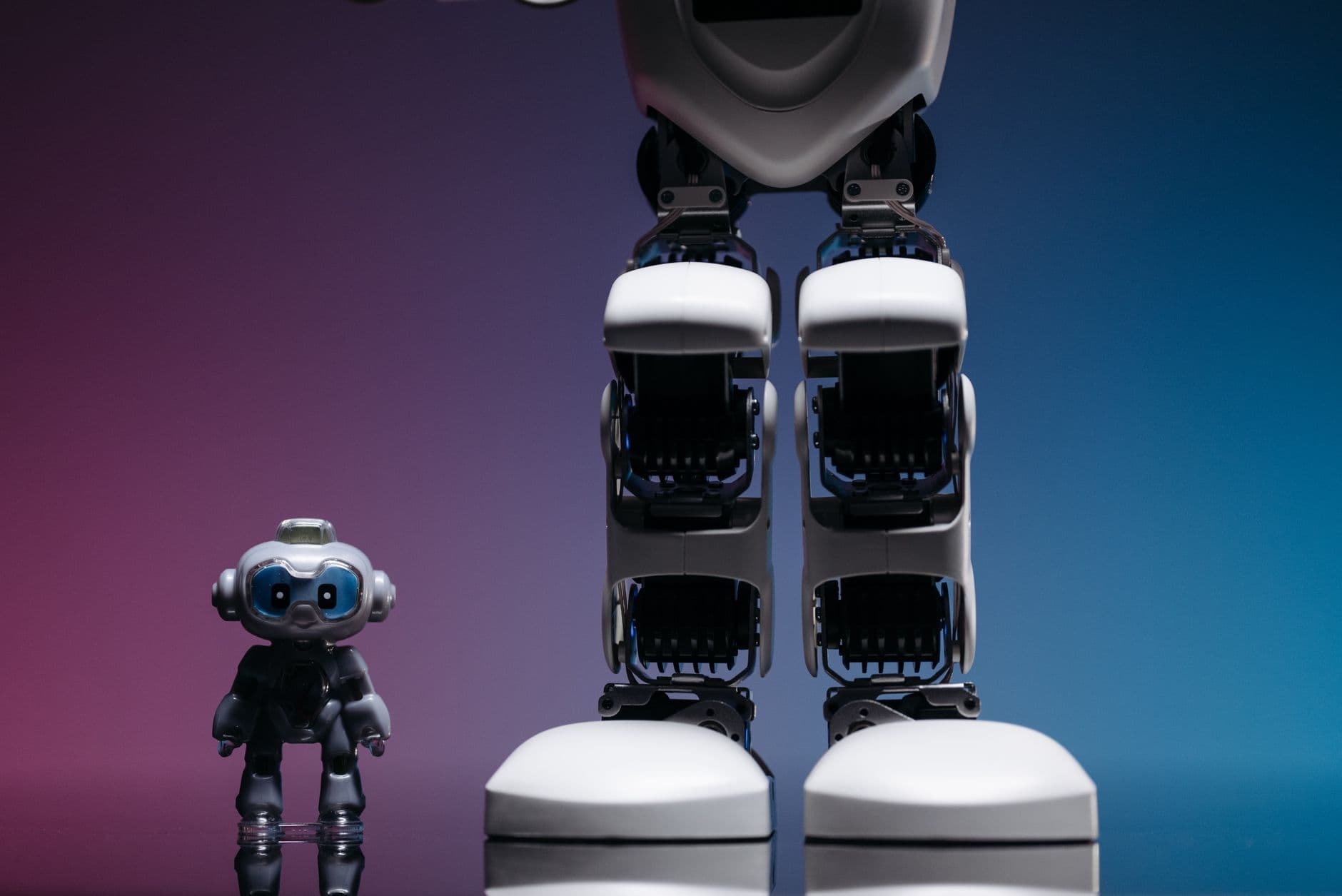
Collaborative robot (cobot) shipments to humanoid robot manufacturers are expected to scale substantially throughout 2024. Robotics makers are increasingly outsourcing hardware manufacturing, driving growing demand for cobot suppliers.
Cobots are industrial robots designed to operate safely in the same workspace as humans. Unlike conventional large-scale industrial robots, they feature flexible joints and force control capabilities, making them well-suited for precision assembly work. As they can be readily adapted for the arm and joint units of humanoid robots, inquiry is increasing in parallel with accelerated humanoid development.
This trend is driven by the rapid expansion of humanoid robot development. Advances in artificial intelligence are bringing robot control technologies—which recognize objects and determine movements accordingly—rapidly closer to practical implementation. Multiple startups and major technology companies are accelerating development aimed at commercializing humanoid robots. In this context, companies are increasingly choosing to shorten development timelines by sourcing reliable cobot components from external suppliers rather than designing and manufacturing entire robots in-house.
The hardware outsourcing strategy represents a rational decision for humanoid robot makers seeking to concentrate management resources on software and AI control. As development costs for AI models and control software—which constitute the intelligent components of robots—continue rising, the design and manufacturing of physical drive components is increasingly delegated to specialized suppliers, reflecting an emerging division of labor.
For the cobot market, this represents an expansion of demand beyond its traditional focus on manufacturing facilities. As humanoid robots transition to mass production regimes, the importance of stable cobot component supply and quality management is likely to increase further. Some observers view comprehensive supply chain infrastructure as a critical factor determining the pace of humanoid adoption.
Key points to monitor going forward are the extent to which cobot suppliers can accommodate humanoid-specific specifications and the pace at which humanoid manufacturers scale production volumes. Should hardware outsourcing become established practice, the robotics industry ecosystem will undergo reorganization, and component suppliers will assume increasingly prominent roles in the broader value chain.
This article is an original work independently written and edited by the AI issue editorial team based on factual reporting. © AI issue. Unauthorized reproduction, redistribution, or use for AI training is prohibited.