FCC Bans Imports of Chinese-Made Humanoid Robots
The U.S. Federal Communications Commission (FCC) has announced measures to regulate the import of Chinese-made humanoid robots and power infrastructure equipment essential for artificial intelligence development. As part of the Trump administration's policy to reduce dependence on Chinese technology, the regulation targets two fundamental fields for the AI industry: robotics and power infrastructure.
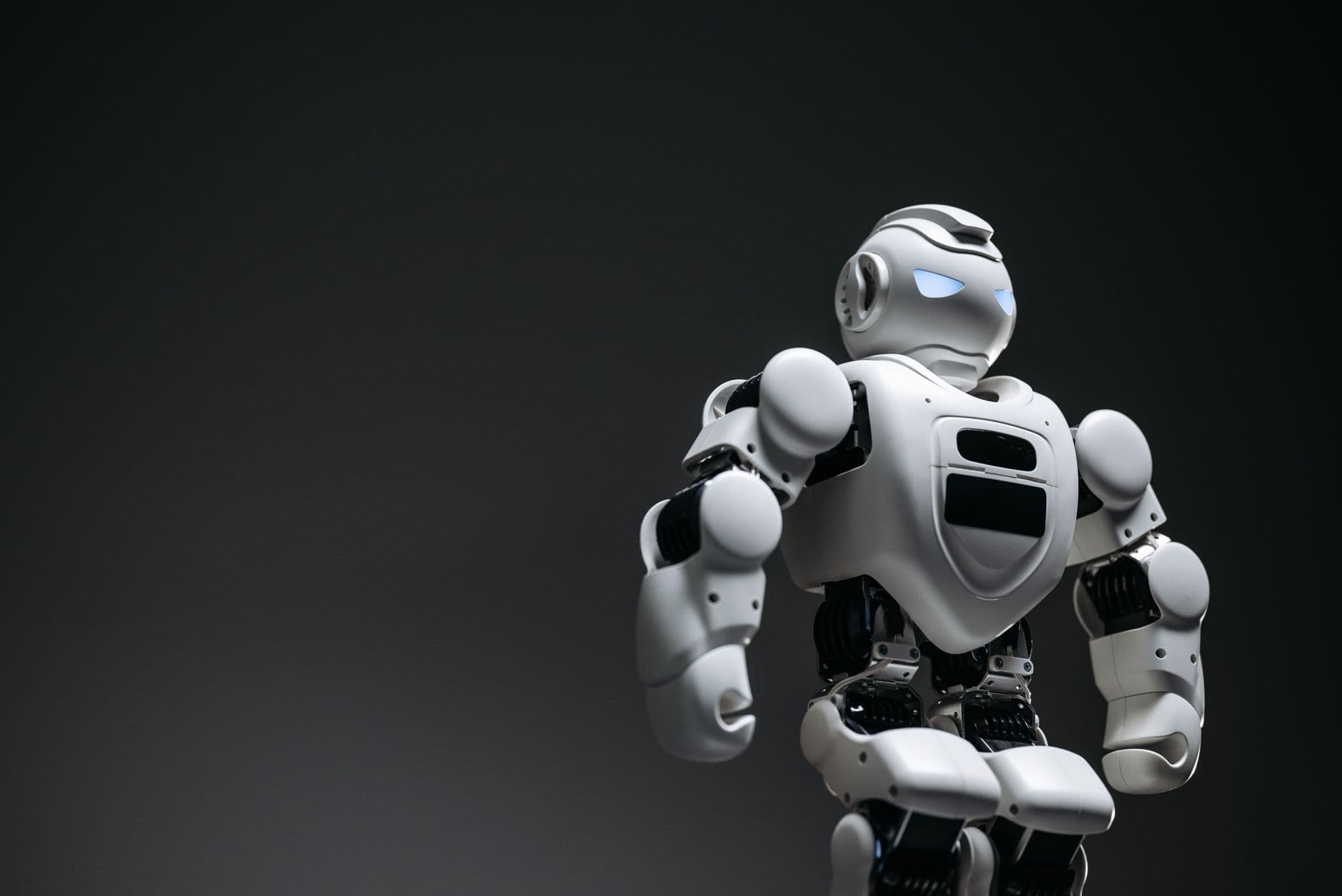
The U.S. Federal Communications Commission (FCC) has introduced measures to regulate the import of Chinese-made humanoid robots and power infrastructure equipment essential for artificial intelligence development. As part of the Trump administration's policy to reduce dependence on Chinese technology, the scope of regulation extends to two fundamental fields supporting the AI industry: robotics and power infrastructure.
The underlying cause is the prolonged technological competition between the United States and China. Following semiconductors and communications equipment, the Trump administration has classified Chinese products in the robotics and energy sectors as national security risks, expanding the scope of regulation. While the FCC traditionally oversees the communications sector, it has recently expanded its role in security affairs by leading efforts to exclude Chinese communications equipment. Today's measure appears to be a further extension of this trend.
The current restrictions target two categories: humanoid robots and power infrastructure-related equipment supporting data centers and other AI systems. Both are critical infrastructure physically supporting the rapidly expanding AI industry, and the regulation stems from viewing dependence on Chinese products as a security risk. Details regarding specific target companies and products remain in the disclosure phase.
Humanoid robots have recently seen accelerated adoption in manufacturing and logistics, with Chinese manufacturers gaining prominence in the international market. These robots are equipped with cameras, various sensors, and communication capabilities, making data handling and remote operation risks prominent security concerns. The FCC's involvement in this field from a communications and data perspective is rooted in these considerations.
Power infrastructure presents a similar dynamic. AI training and inference require vast amounts of electrical power, and the stable operation of equipment such as transformers and control systems supporting data centers forms the foundation of the entire AI industry. The concern underlying regulation is that when Chinese-made equipment is integrated into such critical infrastructure, cyberattacks or intentional failures could threaten the AI foundation itself.
The significance of this measure extends beyond simple trade friction. AI competitiveness depends not only on model performance but also on the hardware and power infrastructure that operate it. Should the United States pursue a direction to completely decouple the AI supply chain from China, allied nations including Japan may face pressure to reassess procurement and development policies in their industrial sectors. The specific scope and enforcement trajectory of these regulations warrant continued close attention.
This article is an original work independently written and edited by the AI issue editorial team based on factual reporting. © AI issue. Unauthorized reproduction, redistribution, or use for AI training is prohibited.