 WaymoNov 4, 2026 19:27 UTC
Waymo and Uber to End Partnership in January 2028
Waymo, an autonomous taxi operator, has formally announced it will end its partnership with ride-sharing giant Uber in January 2028. After the partnership dissolution, both companies will compete directly in the same market. Uber's network includes multiple autonomous driving partners besides Waymo, so the immediate impact on Uber is expected to be limited.
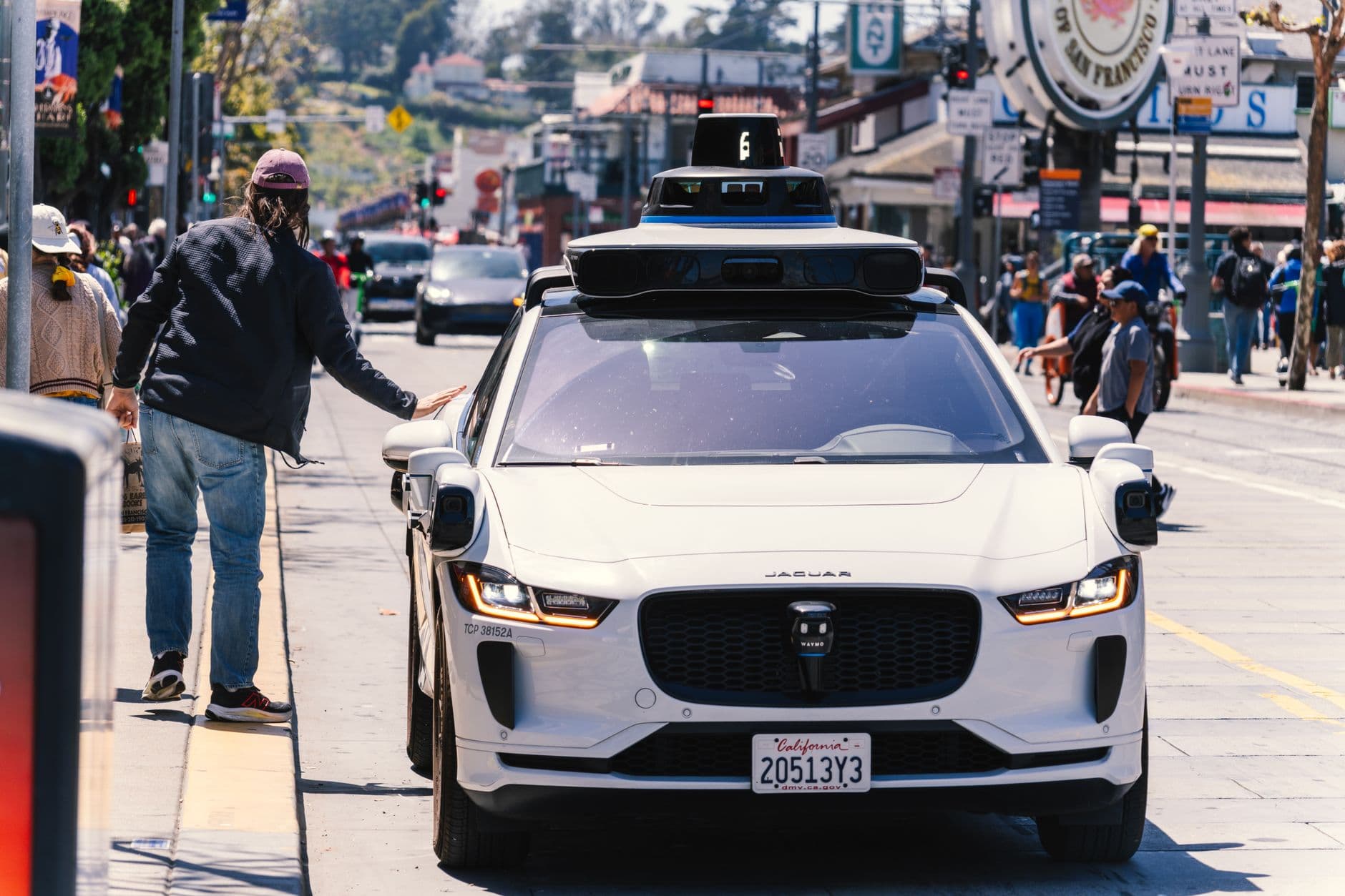
Waymo, which operates autonomous taxi services, has formally confirmed that it will end its partnership with ride-sharing giant Uber in January 2028. The two companies have so far provided services jointly in certain markets, but after the partnership dissolution, they will each stand as independent competitors in the same market.
Waymo currently operates its autonomous robotaxi business under Alphabet, Google's parent company. Meanwhile, Uber once possessed its own autonomous driving technology, but after divesting that business, it has adopted a strategy of expanding its network by partnering with multiple autonomous driving companies. This parting of ways represents a crack in that collaborative approach.
Uber's platform includes multiple autonomous vehicle partners besides Waymo. Therefore, even after the partnership dissolution, Uber is expected to have a system in place to fill service gaps with other partners. Conversely, Waymo will strengthen its independent path by delivering services directly to users without going through Uber's network.
The significance of this move extends beyond a simple contract termination. The autonomous taxi market is still in the process of monetization, with each company competing for market share in limited urban markets. As Waymo and Uber shift from coexistence through partnership to direct competition, competition over pricing, service quality, and deployment speed in the same market may become significantly more intense.
Viewed from a broader perspective of the autonomous driving industry, the shift from collaboration to competition represents a pivotal turning point. As technology matures, companies are transitioning to a phase where they seek to secure profits through independent business models, and the trend toward independent market entry rather than partnerships is likely to continue. This decision by Waymo can be seen as emblematic of that broader shift.
From a user perspective, one key question is whether intensified competition will lead to expanded choices and price competition. However, since the proliferation of autonomous driving services remains heavily dependent on urban environments and regulatory conditions, actual market changes after January 2028 will need to be assessed carefully based on how deployment unfolds in each region.
This article is an original work independently written and edited by the AI issue editorial team based on factual reporting. © AI issue. Unauthorized reproduction, redistribution, or use for AI training is prohibited.